Framing Your Forever: What to Know About Wedding Photography Styles


Planning Resources
Framing Your Forever:
What to know about WEDDING Photography STYLES
A guide to wedding photography styles on Vancouver Island + Beyond
Your wedding day is more than a ceremony — it’s a living story and personal archive, unfolding through laughter, quiet glances, and fleeting moments that unite your people and hold the love and affection of your favourite moments. It’s a time capsule that sees and celebrates your favourite people. Choosing the right photographer and wedding photography style ensures your memories are captured with intention, artistry, and emotion.
Before booking a wedding photographer, it helps to understand the wide range of photography styles available — from editorial and documentary to traditional, cinematic, film, and fine art approaches. Each approach brings a different lens and approach to your day, shaping how your story is told and remembered.
– FEAT Editorial | documentary | Film | Traditional –


Understanding Wedding Photography Styles

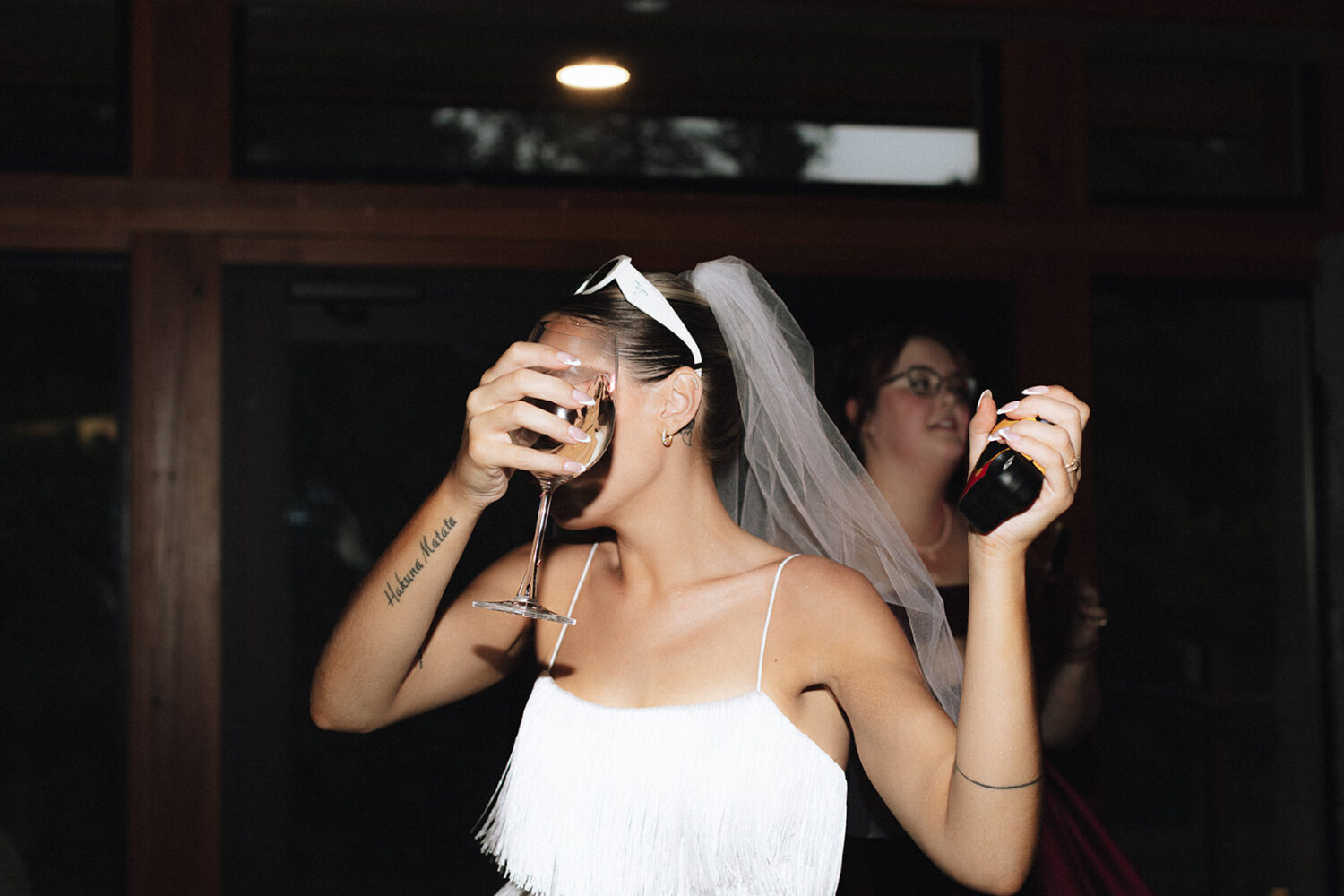
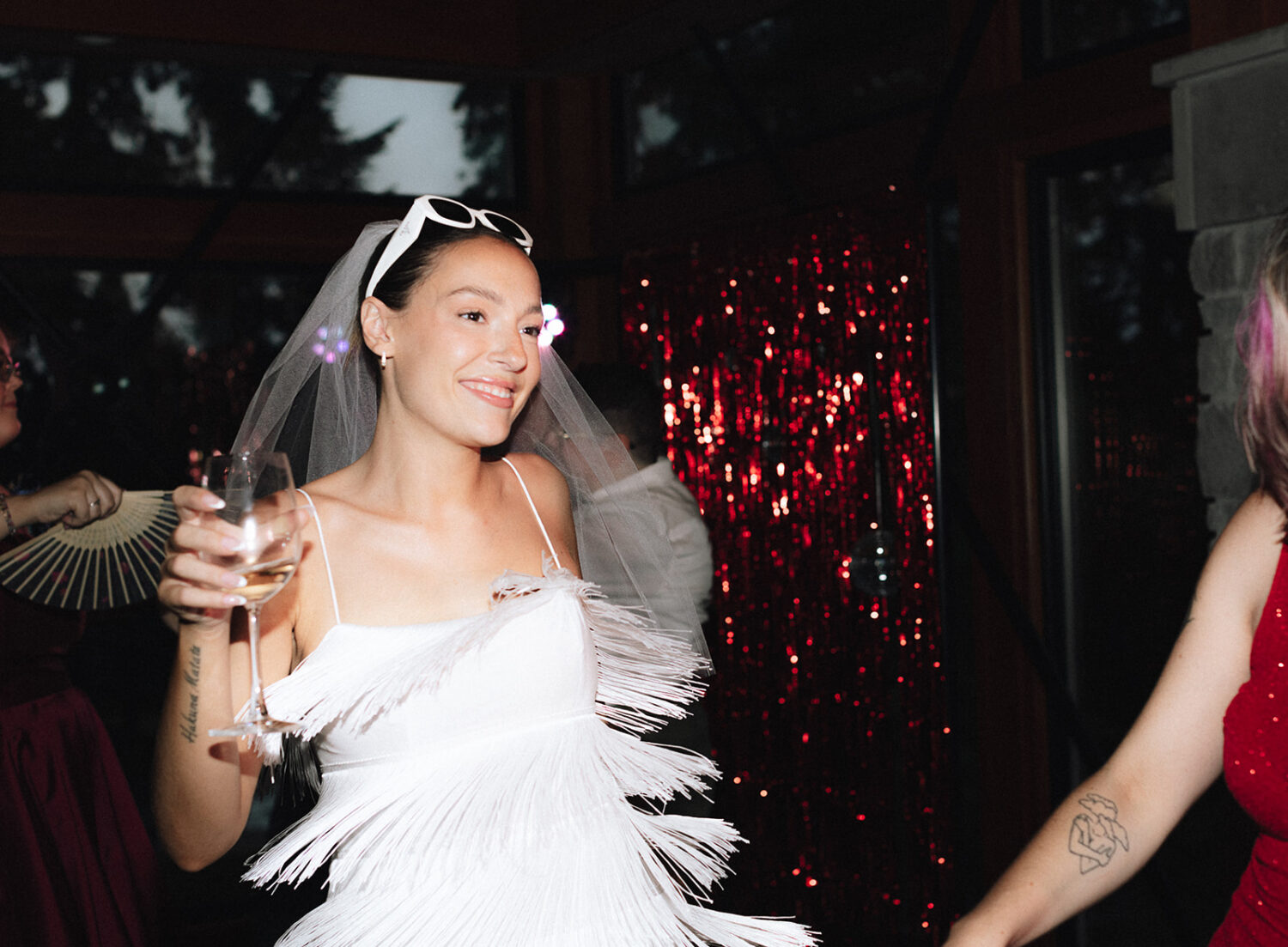
Wedding photography is storytelling. Every style frames your day differently, highlighting emotion, light, and detail. Most photographers today combine multiple approaches to craft a unique style and dynamic narrative, and our studio thrives in this hybrid space.
Here’s a guide to the most popular wedding photography styles, with insights on how each works on Vancouver Island.
We specialize in a loose, editorial, lived-in style, blending the detail and fashion-forward polish of editorial photography with the authenticity and energy of documentary storytelling. On a bright day, we lean into the airy nature of a scene, and the depth and mood of a deep overcast sky. Every frame — posed or candid — is cinematic, natural, and uniquely yours.
Editorial Wedding Photography
Fashion-Inspired + Detail-Driven
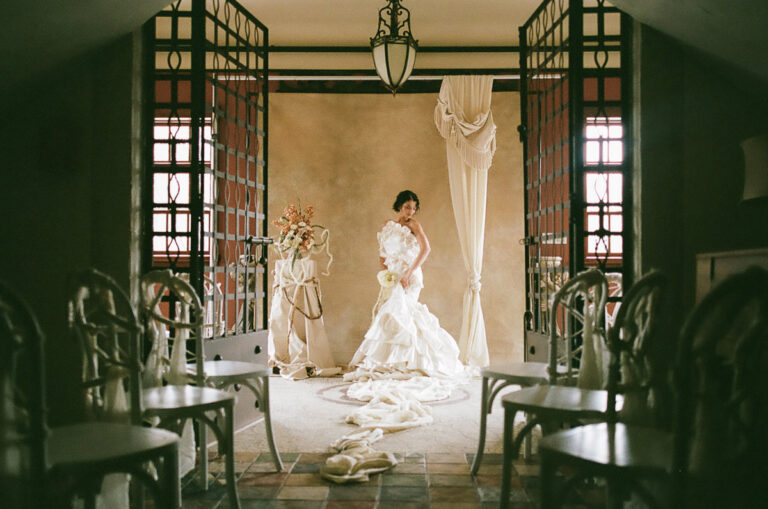
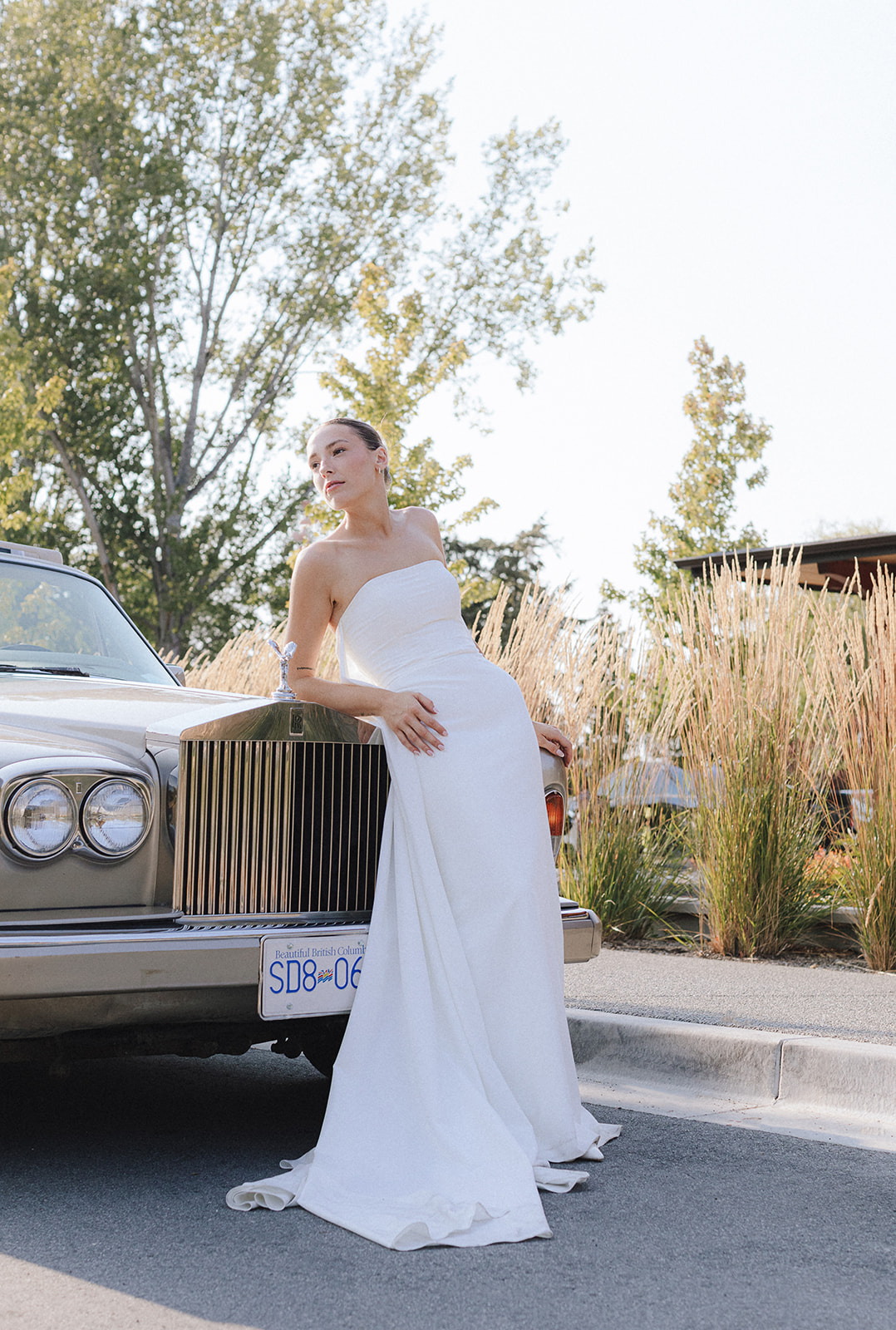
Editorial wedding photography blends refined aesthetics with intentional storytelling, drawing inspiration from fashion editorials, cinema, and design-driven publications. Rather than simply documenting the day as it unfolds, this style curates a visual narrative — one that feels elevated, artful, and quietly cinematic. On Vancouver Island, an editorial approach can look like working with nature to create a certain mood or atmosphere.
In Vancouver and across Vancouver Island, editorial wedding photography often shines in architecturally rich venues, heritage properties, coastal estates, and design-forward celebrations where atmosphere and detail matter just as much as emotion.
Key Characteristics of Editorial Wedding Photography
Clean, High-End Aesthetic
Editorial imagery favors thoughtful backgrounds—often architectural, textural, or minimalist—to keep the focus on the couple. The result is a luxurious, polished look that feels timeless rather than trendy, making it especially well suited to modern venues and west coast design sensibility.
Narrative-Driven Storytelling
Rather than capturing moments in isolation, editorial wedding photographers curate a cohesive series of images that read like a story-rich magazine spread. Emotions, venue history, landscape, and guest interactions are woven together into a visual story that feels intentional and immersive.
Polished Yet Natural Posing
Editorial does not mean stiff. Posing is guided and intentional, but never rigid. The photographer acts as a quiet director—offering refined, fashion-inspired direction while allowing space for genuine connection and ease. The result is imagery that feels confident, elegant, and emotionally grounded.
Dramatic, Motivated Lighting
Light plays a central role in editorial wedding photography. Natural window light, sculpted shadows, or subtle direct flash are used with purpose to add mood, texture, and dimension. This approach pairs beautifully with Vancouver’s atmospheric light and Vancouver Island’s coastal environments.
Emphasis on Design & Details
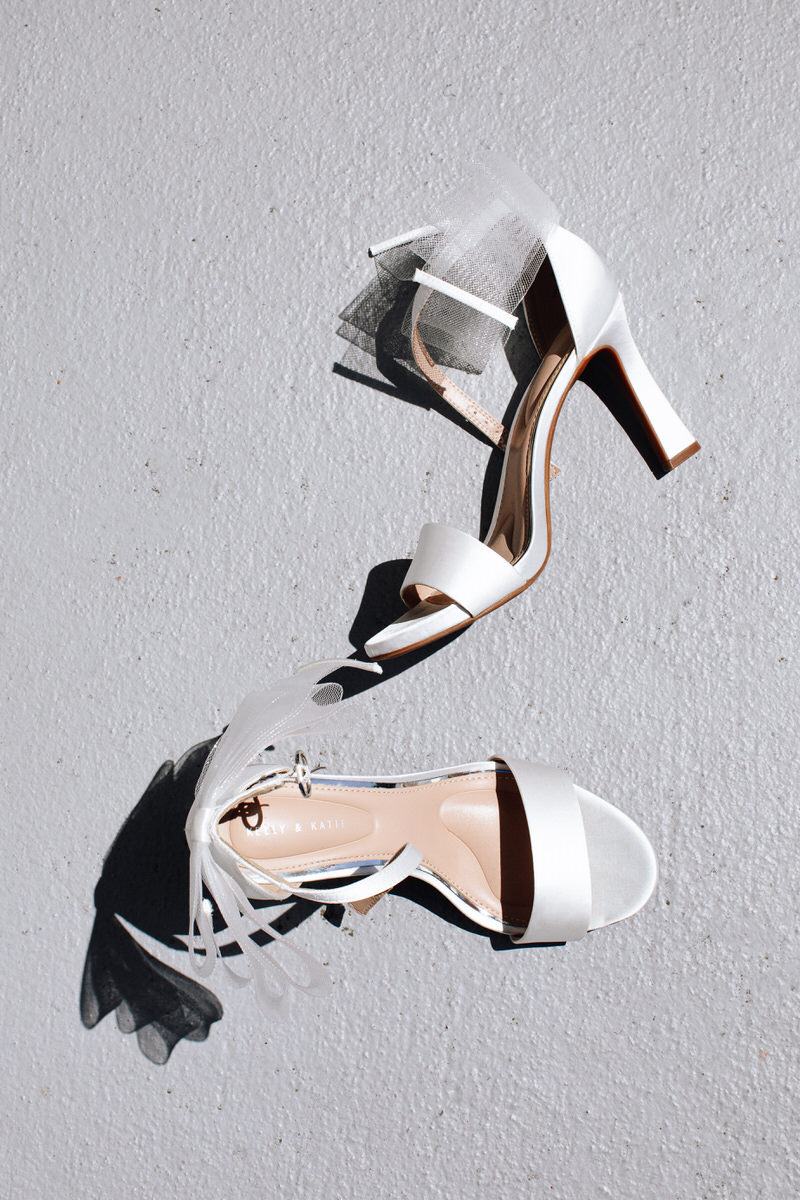
Editorial photography places strong focus on the visual language of the day: tailored garments, intricate fabrics, florals, tablescapes, and architectural elements. These details aren’t captured as afterthoughts—they’re photographed as integral parts of the story, with careful attention to symmetry, balance, and composition.
Fashion-Forward Composition
Expect creative angles, layered framing, and intentional movement. Editorial photographers often embrace unconventional crops, negative space, or subtle motion blur to convey energy, artistry, and a sense of lived-in beauty.
Editorial Wedding Photography Is Perfect for Couples Who:
- Love polished, magazine-worthy portraits
- Care deeply about design, fashion, and visual storytelling
- Want their wedding images to feel elevated, cinematic, and art-driven
- Appreciate intentional direction while still wanting to feel like themselves
Our Loose-Editorial Approach
Our approach to editorial wedding photography is intentionally softened so that candid energy brings images to life. We balance refined direction with presence, allowing moments to unfold naturally while shaping frames that feel cinematic and composed. This loose-editorial style creates images that are striking yet human—polished without feeling posed, artistic without feeling performative.
It’s an approach that resonates deeply with couples across Vancouver and Vancouver Island who value beauty, authenticity, and storytelling in equal measure.

Documentary / Photojournalism Wedding Photography
Authentic, Candid, Emotional
Documentary wedding photography is rooted in observation rather than orchestration. It draws from classic photojournalism — the discipline of witnessing without interference — allowing the wedding day to unfold on its own terms. Rather than curating scenes or directing emotion, this approach honors what is already happening.
On Vancouver Island, documentary work often feels especially resonant. The shifting coastal light, the architecture of heritage venues, the quiet drama of the landscape — none of it needs embellishment. It simply asks to be noticed.
In Vancouver and across Vancouver Island, documentary wedding photography thrives in spaces where authenticity carries the room: intimate gatherings in historic properties, oceanside celebrations shaped by wind and tide, design-conscious events where presence matters more than production.
Key Characteristics of Editorial Wedding Photography
No Direction, No Performance
There is no choreography. Couples and guests are not asked to pause, repeat, or recreate moments for the camera. The day unfolds uninterrupted. This absence of direction allows for a lived-in quality — one that feels organic rather than arranged.
The camera responds. It does not command.
Observational, Fly-on-the-Wall Perspective
Documentary photographers work quietly, often from the periphery, using distance as a form of respect. Longer lenses allow genuine interactions to unfold without intrusion.
From that vantage point, nuance emerges:
A hand squeeze beneath the dinner table.
A quick exhale before walking down the aisle.
Laughter that erupts between courses.
These are moments that disappear when spotlighted. They deepen when left alone.
Emotion Over Aesthetic Perfection
Documentary imagery privileges feeling over polish. Laughter may be imperfectly framed. Tears may fall in challenging light. Movement may blur. None of this is corrected if it serves the truth of the moment. The result is imagery that feels emotionally fluent — human, textured, and unfiltered.
Anticipation & the Decisive Moment
Rather than constructing scenes, documentary photographers anticipate them. Through patience and attentiveness, they recognize the precise alignment of gesture, expression, and environment — the fraction of a second when everything coheres. The decisive moment is not created. It is witnessed.
This is where instinct becomes art.
A Continuous Visual Chronicle
The wedding day is documented as a narrative arc rather than a collection of portraits. From the quiet architecture of morning preparations to the unrestrained energy of the dance floor, each image builds upon the next. The final gallery reads like a visual chronicle — faithful not only to how the day looked, but to how it felt to inhabit.
Light As It Was
Documentary photography relies primarily on available light to preserve atmosphere.
Window light diffused through linen curtains.
Low evening sun skimming across stone.
Candlelight warming a crowded table.
When lighting conditions shift, adjustments are subtle and restrained. The goal is preservation, not transformation — realism over stylization.
Editorial Wedding Photography Is Perfect for Couples Who
- Value presence over performance
- Prefer authentic moments to styled recreations
- Want their wedding archive to feel honest, immersive, and deeply personal
- Trust the process of observation rather than direction
Our Loose-Editorial Approach
Our interpretation of documentary photography is defined by restraint and intuition. We move quietly within your world — attentive to rhythm, light, and the subtle architecture of the day — allowing each moment to unfold without interruption.
We step in only when necessary for essential portraits. Otherwise, our presence is observational. We are less interested in staging than in noticing: the way a room settles before the ceremony, the cadence of conversation over dinner, the fleeting exchanges that happen just beyond the center of attention.
Nothing is manufactured. Nothing is exaggerated. The final gallery feels immersive and atmospheric — a faithful rendering of the day’s natural tempo. Unscripted. Unforced.
Simply, and entirely, yours.

Traditional Wedding PHOTOGRAPHY
CLASSIC, POSED, “Shot-list” moments
Traditional wedding photography is enduring by design. Rooted in classic portraiture, this approach prioritizes clarity, structure, and consistency — resulting in imagery that feels composed, legible, and ready to live in print. These are the photographs that anchor an album. The ones framed on mantels. The ones passed carefully from one generation to the next.
It is a language most often expressed through family portraits and formal groupings — the structured arrangements that have long defined wedding archives. The camera acknowledges lineage. It honors presence. Everyone is accounted for.
Across Vancouver and Vancouver Island, traditional wedding photography remains a trusted choice for couples who value reliability and a clear visual record of the day’s defining moments. It offers reassurance in its familiarity — a composed counterpoint to the movement and emotion unfolding around it.
There is comfort in structure. And there is permanence in tradition.
Key Characteristics of Traditional Wedding Photography
Photographer as Director
In traditional wedding photography, the photographer assumes a clear and confident leadership role. Direction is intentional and precise — posture adjusted, hands thoughtfully placed, shoulders squared, gaze refined.
This guidance ensures that each individual looks composed and well-presented, particularly during formal portraits and family groupings where structure and symmetry matter most. There is clarity in this approach. A sense of order. Every detail considered. Every generation accounted for.
Structured Shot Lists
Coverage follows a carefully constructed framework of essential moments. From extended family portraits to ceremonial touchstones — the processional, the first kiss, the cake cutting — each element is anticipated and methodically documented.
Nothing is left to assumption. Nothing is overlooked. This structured approach ensures a complete visual record of the day — delivering both thoroughness and peace of mind.
Formality & Symmetry
Composition within traditional wedding photography favors balance and symmetry. Framing is often centered, with subjects positioned to face the camera directly — a posture that conveys clarity and confidence. The result is imagery that feels orderly and composed. Universally recognizable. There is no ambiguity in the frame. Only structure, presence, and a sense of visual permanence.
True-to-Life Colour & Editing
Editing remains clean and restrained. Color is rendered naturally. Light is balanced with care. Rather than relying on heavy filters or stylized tonal shifts, the emphasis is on realism — an honest translation of skin tones, fabric, florals, and environment. Whites remain true. Shadows hold detail. Nothing feels exaggerated. The intention is longevity. An image that feels as relevant in thirty years as it does today.
A Focus on Legacy
At its core, traditional wedding photography is an act of preservation. The intention is not experimentation. It is stewardship. Each portrait is created with longevity in mind — composed with care, rendered with clarity, and delivered as a lasting record of who stood where, who gathered close, who bore witness.
These are the images that settle into frames. That anchor albums. That resurface decades later in quiet living rooms and family conversations. Not fleeting. Not interpretive. Simply enduring.
Traditional Wedding Photography Is Perfect for Couples Who:
- Seek structured, thoughtfully composed portraits of family and friends
- Value a classic, archival aesthetic designed to endure gracefully over time
- Appreciate reliable, predictable coverage with clear expectations and peace of mind

CINEMATIC Wedding Photography
STORY CENTERED, LIGHTING AND TONE DRIVEN
Cinematic Wedding Photography
Vancouver & Vancouver Island
Cinematic wedding photography places storytelling at the center of every frame. Inspired by film rather than tradition, this approach uses composition, light, and movement to create images that feel like stills from a movie—rich with emotion, atmosphere, and narrative continuity.
Rather than isolating moments, cinematic photography connects them. Each image contributes to a broader visual arc, allowing the day to unfold with rhythm and depth. Our studio’s approach is deeply informed by ongoing cinema-focused education, shaping how we see light, pacing, and emotional storytelling.
Key Characteristics of Cinematic Wedding Photography
Storytelling-First Imagery
Every photograph is created with narrative in mind. Rather than capturing moments as standalone images, cinematic wedding photography focuses on emotional through-lines—expressions, gestures, and interactions that build a cohesive story from beginning to end.
Dramatic, Intentional Lighting
Light and shadow are used deliberately to create mood and dimension. This may include high-contrast scenes, sculpted backlighting, or the soft, directional glow of golden hour—techniques often associated with cinematic storytelling and film stills.
Creative Composition & Perspective
Cinematic photography embraces varied camera angles and layered compositions. Wide environmental frames establish place and atmosphere, while intimate close-ups draw attention to emotion. Low angles, negative space, and depth are used to add visual tension and scale.
Film-Inspired Colour & Editing
Post-production plays a significant role in shaping the final look. Editing may include nuanced color grading, subtle desaturation, or gentle grain to add texture and cohesion—resulting in imagery that feels timeless, immersive, and filmic rather than trendy.
Movement & Flow
Motion is intentionally woven into the imagery. Flowing fabrics, wind, walking sequences, and subtle motion blur add energy and continuity, giving the final gallery a sense of movement rather than stillness.
Intentional Direction
While many moments unfold organically, cinematic wedding photography often includes light prompting or guidance during portraits. This direction is minimal but purposeful—designed to support composition and emotional impact without breaking authenticity.
Cinematic Wedding Photography Is Perfect for Couples Who:
- Want their wedding imagery to feel like a film
- Are drawn to mood, depth, and emotional storytelling
- Appreciate editorial polish paired with narrative flow
Dark and Moody
Etherial, deep, introspective, emotive
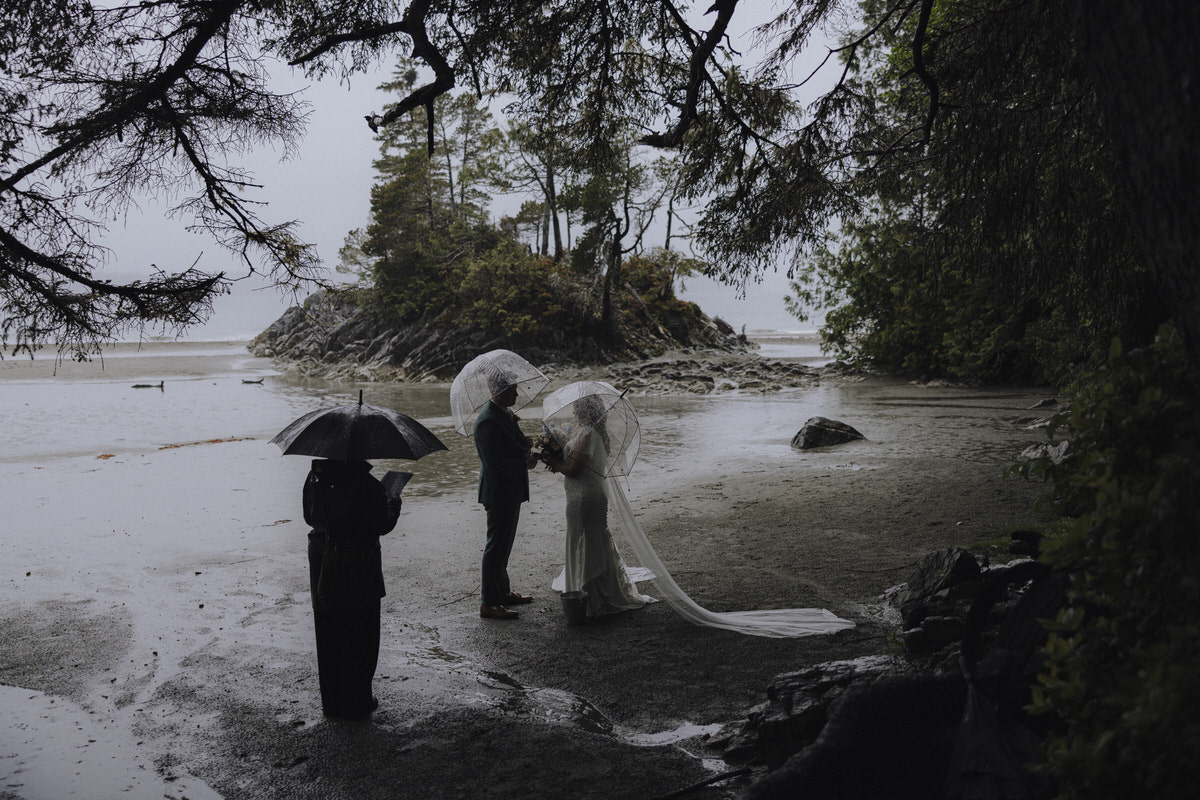
Dark and moody wedding photography celebrates shadow, contrast, and a rich, restrained palette to create imagery that feels cinematic, emotional, and immersive. Instead of chasing brightness, this approach leans into depth—allowing darkness, texture, and quiet moments to carry the narrative. It is particularly suited to intimate spaces: a quiet church, a softly lit bridal suite, or the subtle glow of dusk beneath overcast skies.
Across Vancouver and Vancouver Island, this style resonates naturally with the region’s atmospheric light. Forested venues, candlelit interiors, and twilight ceremonies are elevated by the moody aesthetic, where soft light and weather are embraced as integral elements of the story rather than challenges to overcome.
Key Characteristics of Dark & Moody Wedding Photography
Intentional Aesthetic Direction
Every element—from venue choice to lighting decisions and post-production—is approached with intention. The goal is cohesion: a visual language that feels curated and artistic, standing apart from conventional, light-forward wedding imagery.
Dramatic Use of Light & Shadow
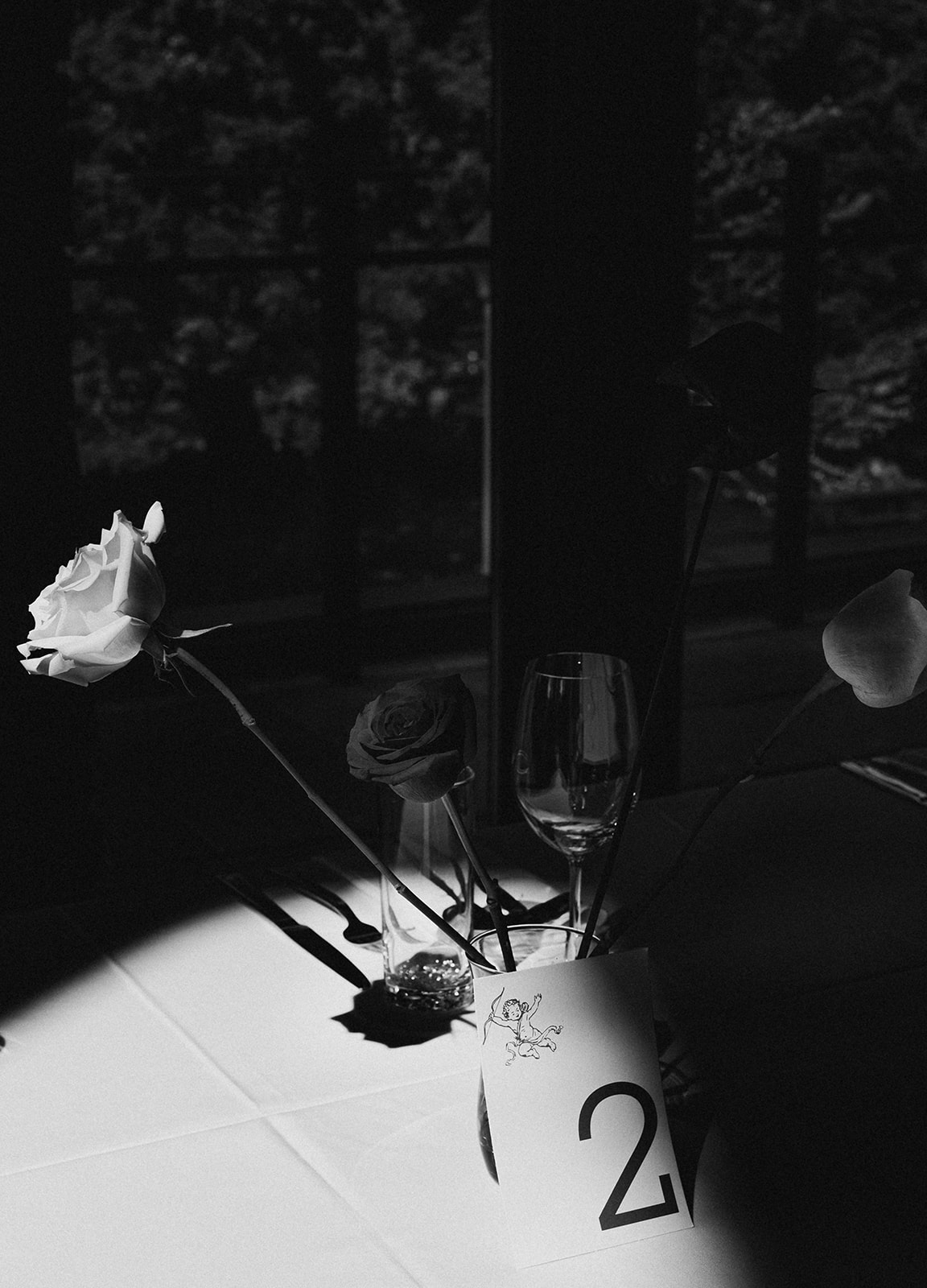
At the core of dark and moody photography is the deliberate shaping of light. Strong contrast, directional illumination, and shadow are used to create depth and focus. Techniques inspired by chiaroscuro—often working with a single light source such as a window, candle, or lamp—add intimacy and visual tension.
Rich, Muted Colour Palettes
Colour is handled with restraint. Tones are typically softened, warmer, and gently desaturated, favoring earthy or jewel-inspired hues like deep burgundy, forest green, charcoal, or warm neutrals. The palette supports the mood without overpowering the moment.
Emotion & Atmosphere First
This style prioritizes feeling over perfection. Images are designed to evoke romance, mystery, and intensity, using the environment as a storytelling tool. Fog, rain, heavy cloud cover, and twilight are embraced for their emotional weight rather than avoided.
Textural Storytelling
Attention is drawn to texture—velvet and lace, weathered stone, aged wood, or natural elements like moss and water. These tactile details add depth and dimensionality, making the images feel almost physical.
Cinematic Finish
Final images often echo the stillness of classic cinema. Through careful composition and subtle post-processing—such as gentle grain or tonal shaping—the gallery feels cohesive, timeless, and immersive rather than trendy.
Dark & Moody Wedding Photography Is Perfect for Couples Who:
- Are drawn to intimacy, mystery, and cinematic drama
- Want emotionally rich images with strong visual storytelling
- Prefer an artistic, painterly aesthetic over bright or traditional styles

Black and white Wedding photography
Deep, Atmospheric, Emotional
Black and white wedding photography is a study in tonality, where light, form, and emotion take precedence over color. By removing distraction, each image becomes quieter, more focused, and deliberate—allowing connection, gesture, and expression to take center stage.
This approach is particularly effective for intimate moments, ceremony highlights, and portraiture, or in environments where complex lighting or dominant colors might otherwise compete with the story. Beyond its expressive clarity, black and white also serves as a visual palate cleanser—bridging shifts in light and preserving emotional continuity across the gallery.
Key Characteristics of Black & White Wedding Photography
Emotion at the Forefront
Without colour to compete for attention, the viewer’s eye is drawn directly to expression, body language, and raw human connection. The result is imagery that feels immediate, poignant, and emotionally resonant.
Light & Shadow as Structure
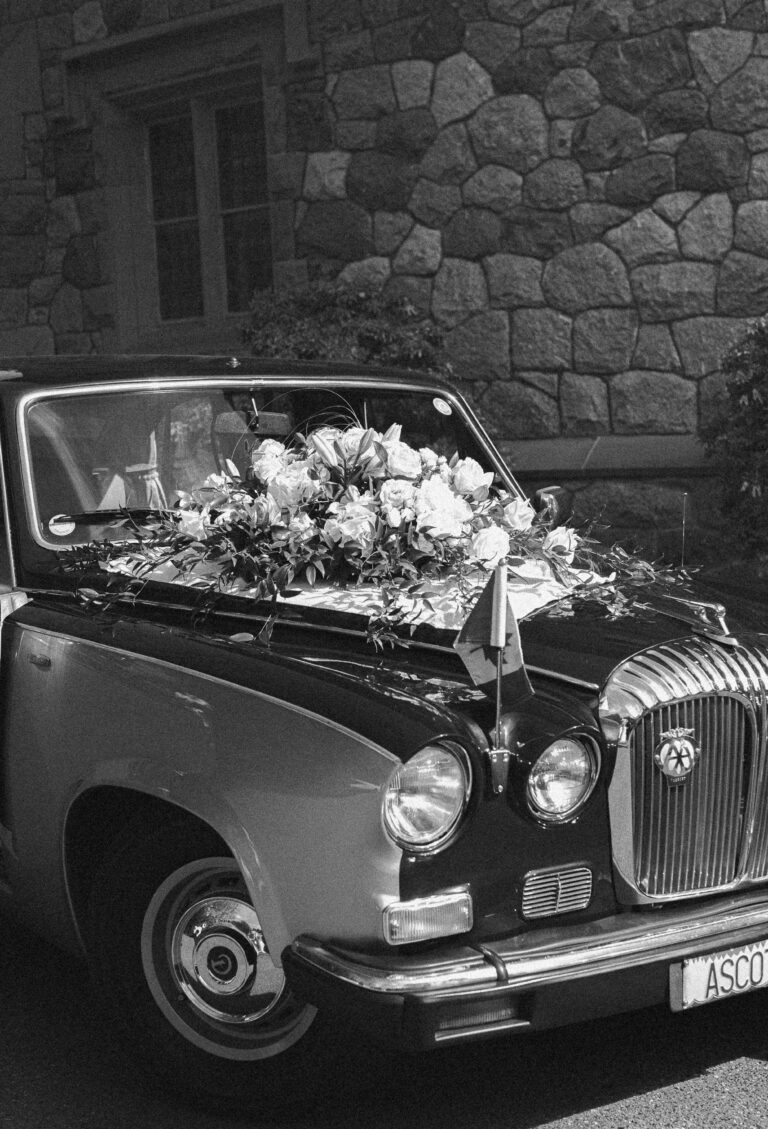
Chiaroscuro — the intentional interplay of light and shadow — becomes a central compositional tool. Contrast adds depth and dimensionality, creating images that feel sculptural and cinematic.
Texture & Form
Black and white photography highlights detail in a different way. The grain of fabric, the movement of hair, architectural lines, and subtle expressions are rendered with clarity, adding tactile richness and visual weight.
Timeless, Enduring Aesthetic
Free from colour trends, black and white imagery carries a sense of permanence. These photographs feel both nostalgic and contemporary, resisting the visual aging that can affect heavily stylized colour work.
Compositional Purity
With colour removed, the composition must stand on its own. Lines, shapes, negative space, and balance become essential, resulting in images that feel intentional and quietly powerful.
Visual Simplification
Black and white simplifies complex scenes, cutting through visual noise to reveal the emotional core of a moment. It can rescue otherwise overwhelming environments and elevate fleeting interactions into something lasting.
Black & White Wedding Photography Is Perfect for Couples Who:
- Want timeless, classic imagery that transcends trends
- Value storytelling through emotion and gesture
- Appreciate fine-art inspired, high-contrast photography

Fine Art Wedding Photography
Light, Texture, & Intentionality
Fine art wedding photography is interpretive, intentional, and guided by aesthetic sensibility. Drawing inspiration from classical art, fashion editorials, and analogue traditions, it uses composition, light, and color to craft high-key imagery that feels painterly and considered and typically leans airy in tone.
This approach emphasizes thoughtful direction, soft natural light, and careful tonal balance. It excels in bright, sunlit settings and ceremonies, where controlled exposure enhances radiant skin tones, luminous details, and a sense of quiet, refined elegance.
Key Characteristics of Fine Art Wedding Photography
Timeless, Painterly Quality
Fine art photography intentionally avoids heavy trends or gimmicks. Instead, it favors restraint—aiming for images that feel refined, balanced, and enduring decades from now.
Soft, Luminous Aesthetic
Often associated with a light and airy look, fine art wedding photography emphasizes brightness without sacrificing detail. Exposure is handled with care to preserve highlights, texture, and depth, resulting in images that feel ethereal rather than washed out.
Film-Inspired Craft
Many fine art wedding photographers work with analogue film or emulate its qualities through digital techniques. Creamy skin tones, organic grain, and gentle falloff contribute to a romantic, tactile finish.
Intentional, Guided Posing
While portraits appear effortless, they are carefully composed. The photographer provides gentle, precise direction to shape light, posture, and composition—balancing elegance with a sense of natural ease.
Still Life & Detail Focus
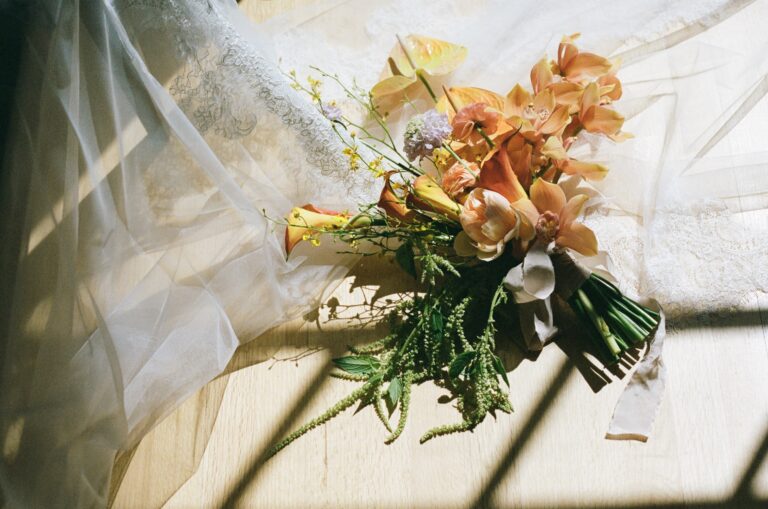
Fine art photography treats the design elements of a wedding as artworks in their own right. Invitation suites, florals, heirloom objects, and fabric textures are photographed with the same care as portraits, often resembling curated still-life studies.
Fine Art Wedding Photography Is Perfect for Couples Who:
- Appreciate artistic interpretation and visual refinement
- Are drawn to soft light, delicate textures, and ethereal tones
- Want heirloom-quality images that feel timeless and elevated

Film Wedding Photography
Analog Warmth & Nostalgia
Film wedding photography evokes warmth, texture, and a sense of nostalgia that digital cannot fully replicate. Each frame is crafted with intention, embracing muted highlights, creamy tones, and organic depth. The medium asks the photographer to slow down—to observe, to wait, to capture with purpose—resulting in imagery that feels tactile, soulful, and quietly cinematic. It is particularly suited to savoring slow, intimate moments during portraits or highlighting thoughtful details.
Across Vancouver and Vancouver Island, film photography harmonizes effortlessly with natural light, coastal landscapes, and editorial celebrations where mood, materiality, and atmosphere are as important as the moment itself.
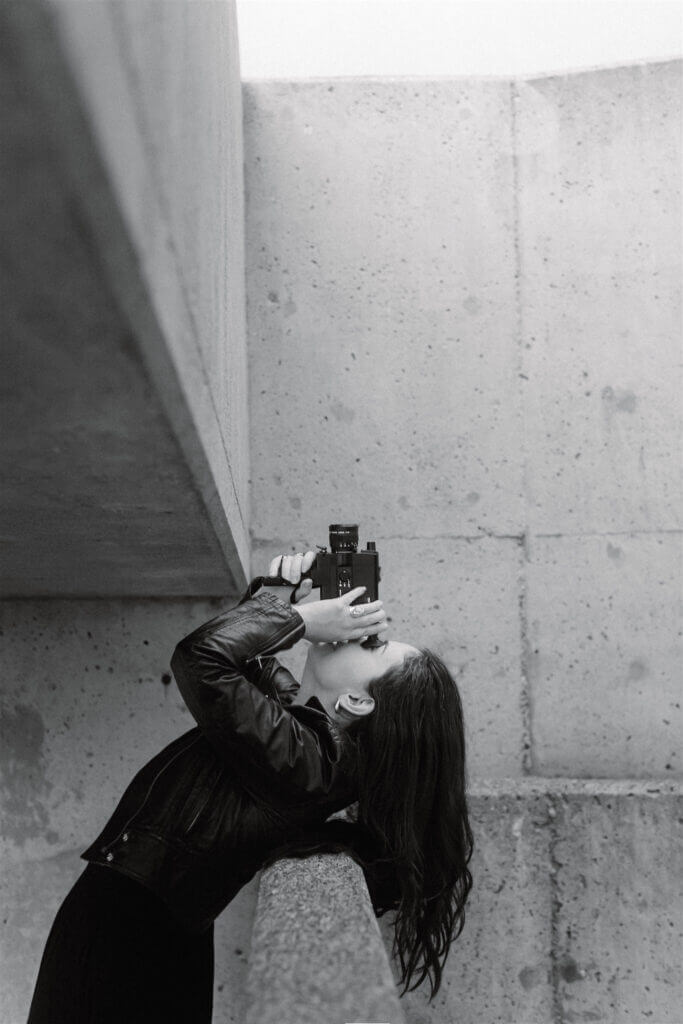
Film mediums may include 35mm, medium format (120), instant formats such as Polaroid or Instax, and vintage motion-picture stocks like Super 8, 8mm, or 16mm — each offering a distinct texture, color palette, and emotional resonance.
Five Defining Pillars of Film Wedding Photography
1. Physical Depth & Dimensionality
Often captured on medium-format cameras, film creates a subtle three-dimensionality—sometimes described as “3D pop.” Backgrounds fall away softly, while subjects retain clarity and presence, lending portraits an elevated, editorial quality.
2. Timeless Colour & Skin Tones
Professional film stocks such as Kodak Portra are engineered to render skin with warmth and accuracy. The resulting palette leans soft and natural, with gentle pastels and balanced contrast that digital presets often attempt—but rarely match.
3. Superior Highlight Retention
Film handles bright, high-contrast environments with remarkable grace. Highlights roll off smoothly, preserving delicate detail in white dresses, veils, and sunlit scenes—especially valuable during midday ceremonies or bright coastal settings.
4. Organic Texture & Grain
Film grain is physical, not digital. Its fine, sandy texture adds depth and movement, giving images a painterly, tactile quality that feels alive rather than algorithmic.
5. Intentional Artistry
With limited frames per roll and real cost attached to every exposure, film demands discipline and discernment. Photographers shoot with heightened awareness, resulting in a curated gallery of meaningful, peak moments rather than endless repetition.
Film Wedding Photography Is Perfect for Couples Who:
- Are drawn to nostalgic, cinematic storytelling
- Want heirloom-quality images with natural grain and depth
- Value artistry, craftsmanship, and slow, intentional composition

Choosing the right WEDDING photography style for you
Deep, Atmospheric, Emotional
When selecting a Victoria BC wedding photographer, the most important consideration is how you want your day to feel when you look back on it.
Ask yourself:
- Do you want the emphasis for your wedding gallery and experience to be captured candidly as it unfolds, or sculped and directed into curated, editorial frames?
- Which styles reflect your personality — classic, fashion-editorial, moody, traditional, candid and playful, or airy?
- Does the photographer understand the locational needs?
- Does their editing style flatter a diversity of colour pallettes and skin tones?
- Can they move fluidly between documentary moments and intentional artistry without disrupting the experience?
Our approach exists in the space between observation and direction. Built on a loose-editorial foundation, we step forward when needed to craft cinematic, iconic frames — and step back to let authentic moments breathe and reveal themselves.
The result is a hybrid storytelling style that feels intimate, atmospheric, and enduringly timeless.
FAQ
Questions?
READY TO
CONNECT?
MEET THE STUDIO OWNER
WEDDING + ELOPEMENT PHOTOGRAPHER | ELOPEMENT PLANNER | VINTAGE FILM MAKER
I’m Kate Tutty — the photographer behind a Vancouver Island–based wedding and elopement and portrait studio rooted in presence, story, and honest connection.
If you’re drawn to a wedding experience that feels organized yet unforced, creative yet grounded, you’re in the right place. Reach out to discuss our studio’s wedding coverage, elopement coverage and planning offerings.